

In a world where a cat video can go viral faster than a hacker can breach a network, the history of cyber security is nothing short of a digital rollercoaster. From the early days of floppy disks and dial-up connections to today’s sophisticated ransomware attacks, the battle between cybercriminals and defenders has evolved dramatically. It’s a tale filled with triumphs, failures, and a few cringe-worthy moments that remind us just how far technology has come.
As more devices connect to the internet, the stakes have never been higher. Understanding the evolution of cyber security isn’t just for tech geeks; it’s essential for anyone who wants to navigate today’s digital landscape safely. So buckle up and prepare for a journey through the fascinating, often hilarious, and sometimes terrifying history of cyber security. Who knew protecting your data could be this entertaining?
Origins of Cyber Security
Cyber security originated as a response to nascent digital threats. Understanding this history reveals how the field has advanced dramatically over the decades.
Early Internet and Security Concerns
Early digital platforms saw limited security awareness. During the 1970s and 1980s, users faced basic threats from malware and viruses. The ARPANET, a precursor to the internet, highlighted the need for secure data transfers. As computers connected, instances of unauthorized access and data theft began to emerge. Notable incidents, such as the Morris Worm in 1988, demonstrated the potential for widespread disruption. The worm infected nearly 10% of the internet’s hosts, raising alarms about vulnerabilities and prompting discussions on security.
Development of Security Protocols
The 1990s marked significant advancements in security protocols. Developers created the first encryption standards, including SSL, essential for online transactions. Firewalls were introduced to protect networks from intrusions, while antivirus software became commonplace for individual users. The evolution of these tools played a critical role in establishing a foundation for modern cyber defenses. Awareness programs began surfacing, emphasizing safe online practices and the importance of regular software updates. As cyber threats grew more sophisticated, so did the responses from security professionals.
Evolution of Threats
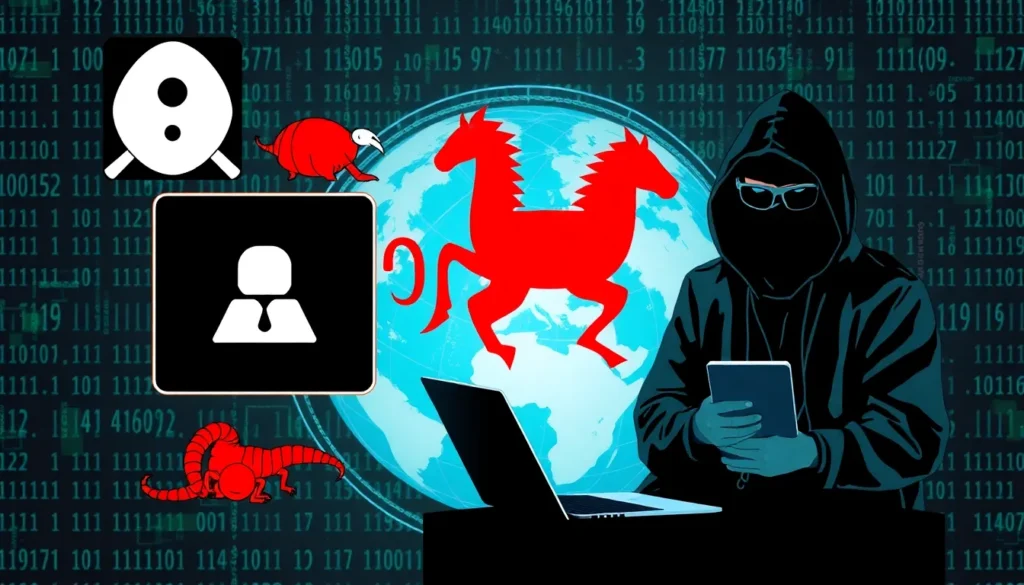
Cyber threats have undergone significant changes since their inception. Early malware, such as computer viruses, served as the initial wave of attacks.
From Viruses to Advanced Persistent Threats
Viruses disrupted personal computers in the 1980s, causing data loss and system failures. By the 1990s, the emergence of worms and Trojans marked a transition to more complex attacks. Advanced persistent threats (APTs) appeared in the 2000s, targeting organizations with the intent to steal sensitive data over long periods. These APTs employed sophisticated evasion techniques, making detection more challenging. Cybercriminals increasingly utilized social engineering tactics to manipulate individuals into divulging confidential information, further complicating defenses.
Notable Cyber Attacks Throughout History
Several high-profile cyber attacks have shaped the security landscape. The Morris Worm incident in 1988, one of the first significant outbreaks, highlighted vulnerabilities in the early internet. In 2000, the ILOVEYOU virus infected millions of computers, demonstrating the power of social engineering. The Stuxnet attack, discovered in 2010, illustrated the potential for cyber warfare against critical infrastructure. More recently, the 2017 WannaCry ransomware attack affected over 200,000 systems in 150 countries, emphasizing the global reach of cyber threats. Each of these incidents underscored the evolving nature of cyber risks and the necessity for robust security measures.
Key Milestones in Cyber Security
Cyber security has seen several significant milestones that shaped its development and response to ever-evolving threats. Each advancement in security measures directly relates to the growing complexity of cyber attacks.
The Establishment of Security Standards
Establishing security standards became crucial in the 1990s. The introduction of SSL protocols played a significant role in ensuring secure online transactions. Firewalls emerged as essential tools to monitor and control incoming and outgoing network traffic. Antivirus software also gained prominence, providing a critical layer of defense against malware. These innovations collectively laid the foundation for modern security practices. By standardizing protocols, organizations could enhance their security measures and build trust with users.
Introduction of Cyber Security Legislation
Cyber security legislation began to take shape in the late 1990s and early 2000s. The Computer Security Act of 1987 laid early groundwork for safeguarding sensitive information. The establishment of the Sarbanes-Oxley Act in 2002 marked a significant regulatory response to corporate fraud, emphasizing the need for data protection. The creation of the Federal Information Security Management Act in 2002 further solidified requirements for securing government information systems. These legislative measures highlighted the growing recognition of cyber threats and underscored the necessity for compliance in maintaining data security. Through these laws, organizations began to prioritize cyber security as an essential component of business operations.
The Role of Cyber Security Today
Cyber security plays a crucial part in ensuring the safety of digital landscapes. It protects personal information, businesses, and critical infrastructure against ever-evolving cyber threats.
Importance in Modern Society
Cyber security safeguards sensitive data and reinforces trust in online interactions. Organizations face daily risks, with 43% of cyber attacks targeting small businesses. Robust security measures prevent potential data breaches and financial losses, making them essential for operational integrity. Governments also rely on cyber security to protect national security, as incidents like the SolarWinds attack highlight vulnerabilities that can impact millions. Citizens benefit from cybersecurity efforts that ensure safe banking practices, data privacy, and personal safety in a digitally driven world.
Future Trends in Cyber Security
Emerging technologies continue to shape the cyber security landscape. Artificial intelligence and machine learning create advanced threat detection capabilities, allowing for quicker identification of vulnerabilities. Experts predict that zero trust security models will dominate, requiring strict verification for all users. Enhanced regulations will also emerge as data protection becomes a critical concern globally. Cloud security will expand, responding to the increasing shift toward cloud services, with businesses prioritizing reliable frameworks to secure their digital assets. Keeping abreast of these trends helps organizations stay ahead of threats and reinforces their commitment to protecting sensitive information.
The journey through the history of cyber security reveals a landscape marked by rapid evolution and constant adaptation. As threats grow more sophisticated the need for robust security measures becomes increasingly critical. Organizations must remain vigilant and proactive in their approach to cyber defenses.
Understanding past developments enables a clearer vision for the future of cyber security. Embracing emerging technologies and implementing best practices will be essential in navigating the complexities of today’s digital environment. The commitment to safeguarding sensitive information not only protects individual interests but also fortifies trust within the broader community. The battle against cyber threats is ongoing and requires continuous effort and innovation.


